
De-shedding Treatment in Redditch
Loose, dead undercoat lifted out of double-coated breeds — without clipping the coat that protects them.

What de-shedding involves
De-shedding is a wash, blast and rake process rather than a haircut. We start with a gentle, neutral shampoo and a thorough rinse to loosen dead hair at the root, then dry with a high-velocity dryer that pushes shed undercoat out of the coat rather than pulling it. After that comes the slow part: working through the coat in sections with rakes and undercoat tools, taking particular care around the hindquarters, the ruff and behind the ears where undercoat packs down hardest. We finish with a full brush-out, nails and a check of the ears.
The coat that stays on your dog is the coat that should stay on. We remove what is dead and leave the guard hairs intact.
Why we don't clip a double coat
A double coat is two layers doing two different jobs: a dense, soft undercoat for insulation, and coarse guard hairs that shed water, deflect sun and protect the skin. Clipping cuts indiscriminately through both. The undercoat regrows quickly and often thicker, while guard hairs regrow slowly or unevenly, so the coat loses its structure — sometimes permanently. The dog then sheds just as much, insulates less well in both summer and winter, and is more exposed to sunburn and bites. Removing dead undercoat solves the shedding problem properly; shaving only hides it for a few weeks.
Who it suits and how often
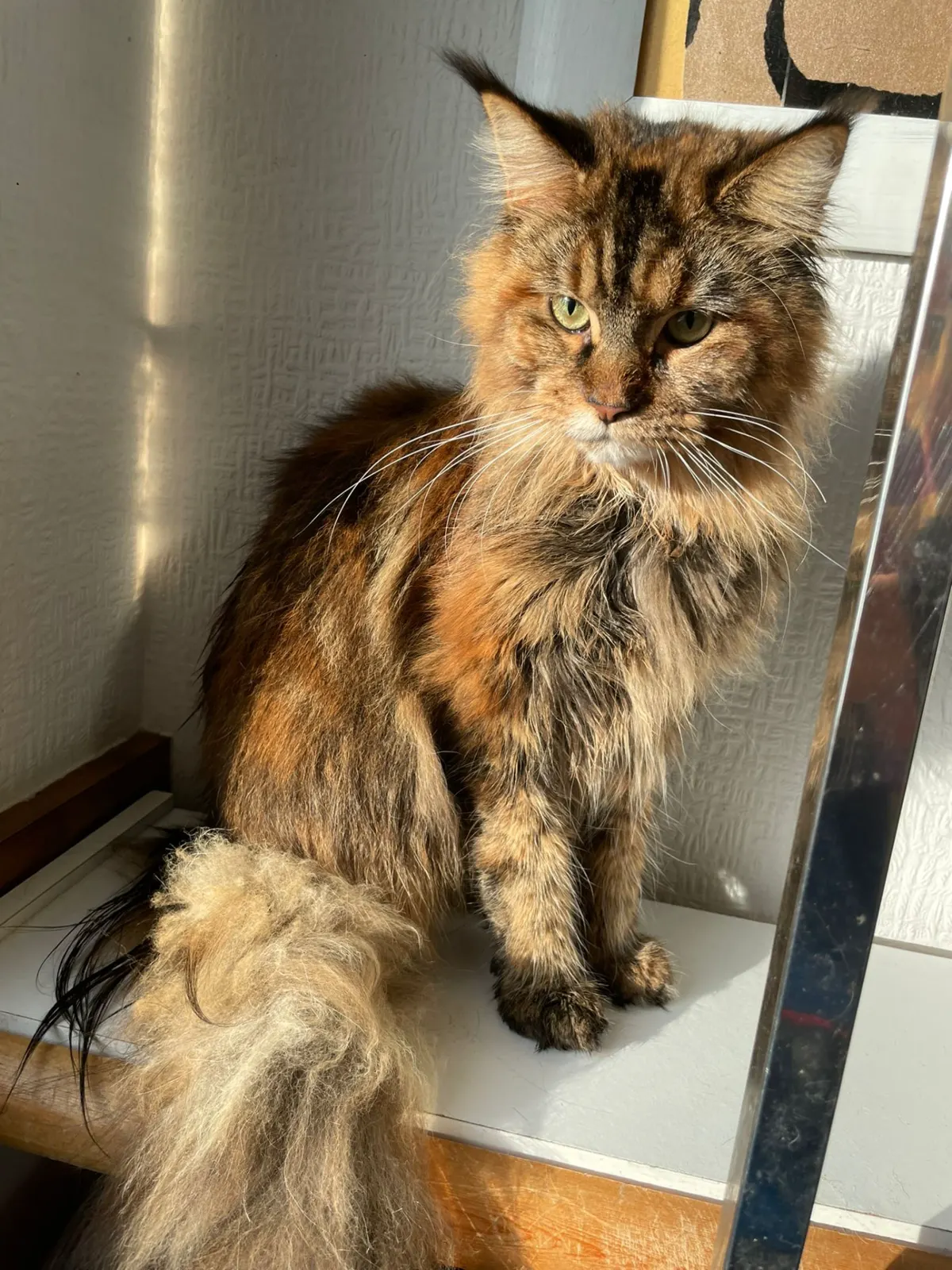
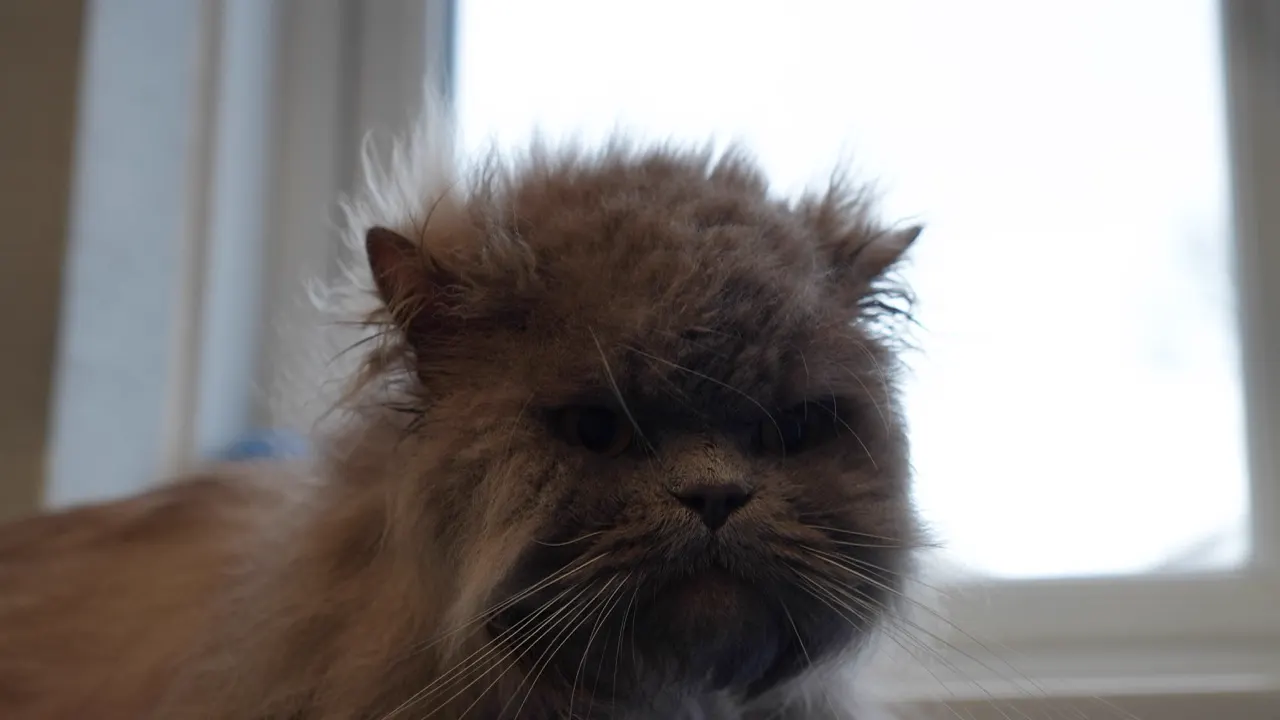
Huskies, German Shepherds, Malamutes, Akitas, Samoyeds, Labradors, Goldens, Collies and Pomeranians all benefit, as do long-haired cats — see cat and small animal grooming for those. Book every eight to twelve weeks as a routine, and every four to six weeks through the spring and autumn moults. If your dog's coat grows rather than sheds, you want a full groom instead, and a quick nail clip is easy to add on while you are here.
How long it takes and what affects the price
Allow two to three hours; a large dog in heavy moult can take longer. Price depends on size, how much undercoat has built up, whether it has packed down or started to mat, and how settled your dog is on the table. A dog who comes in regularly is quicker and cheaper than one whose coat has been left a year.
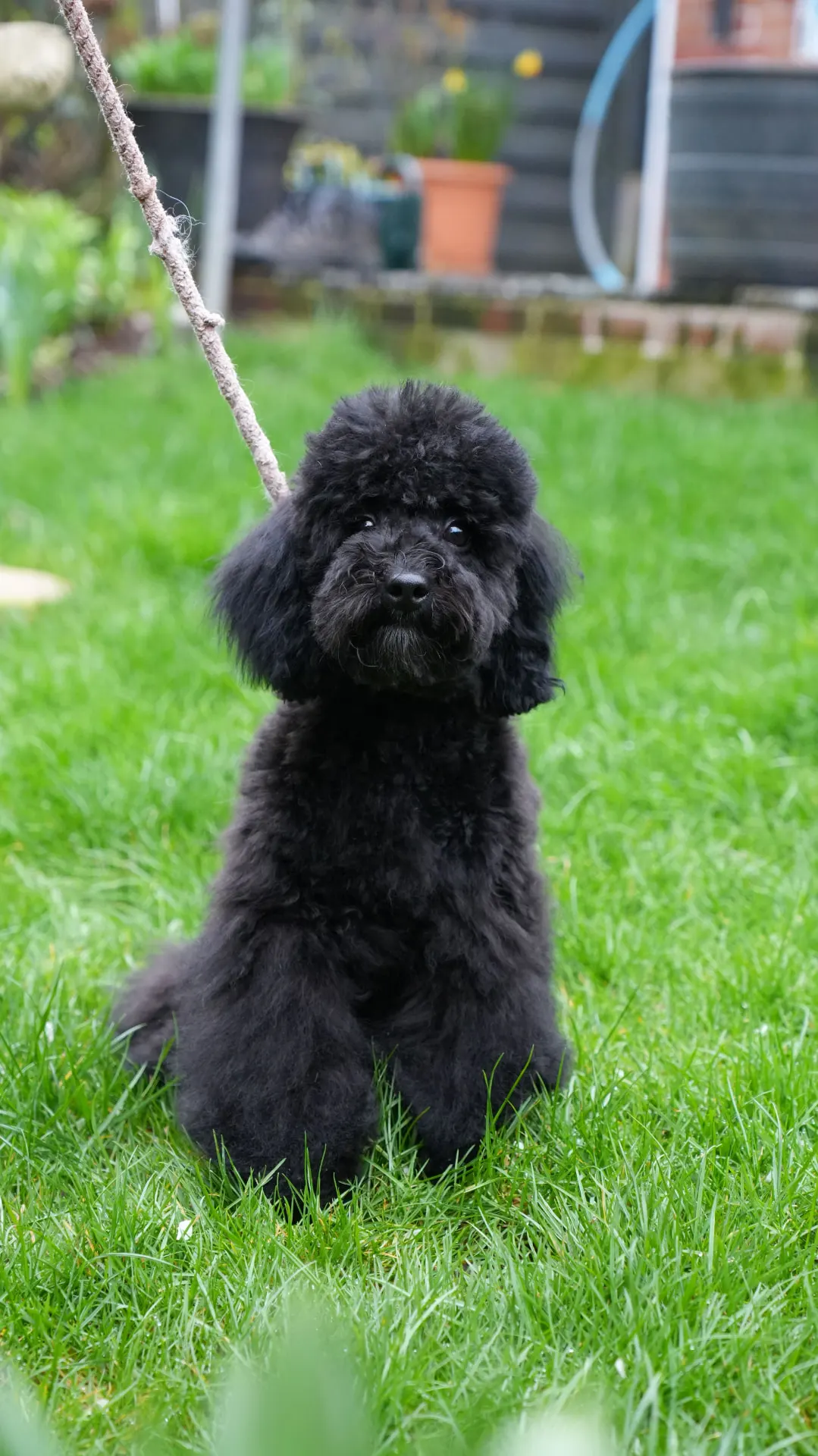
Roscoe has been to several groomers and I've been told he can be difficult and comes out mostly shaved and not with a puppy cut. Elena had no problem taking him in, brushed out his undercoat, cleaned his teeth and cut him to look like a Tibetan Terrier all in record time! Really impressed with Elena's service and Roscoe liked her too.
What's included
- Coat and skin assessment before we start
- Washed with a gentle, neutral shampoo to loosen dead hair
- High-velocity blow dry to lift shed undercoat
- Section-by-section raking of the undercoat
- Extra attention to the ruff, hindquarters and behind the ears
- Full brush out and finishing tidy
- Nails trimmed and ears checked
Price
Call or text for a quick quote — we don't publish a price for this service. Price varies by breed, coat and behaviour.
Call or text for a quick quote. If texting, include your pet's breed, temperament and any health notes so we can give you an accurate price.
Recent work
Frequently asked questions
How much hair does a de-shed actually remove?
A Husky or German Shepherd in full moult can fill a carrier bag. What comes out is dead undercoat that would otherwise end up on your carpets and sofa.
Why is clipping a double coat a bad idea?
A double coat has a soft insulating undercoat beneath coarse guard hairs. Clipping cuts through both. The undercoat grows back faster and thicker while the guard hairs may never return properly, leaving a patchy coat that insulates less well against both cold and heat and offers less protection from sun and bites.
Won't shaving keep my dog cooler in summer?
No. An intact double coat traps a layer of air that insulates against heat as well as cold. A shaved double-coated dog is often less comfortable in summer, not more. Removing the dead undercoat is what improves airflow.
How often should a double-coated dog be de-shed?
Every eight to twelve weeks is the usual routine. During the spring and autumn moults, many owners come in every four to six weeks.
Which breeds benefit most?
Huskies, German Shepherds, Malamutes, Akitas, Samoyeds, Labradors, Golden Retrievers, Border Collies, Chow Chows and Pomeranians benefit most. Long-haired cats also shed heavily and we treat them too.
Do you groom matted dogs?
Yes. We'll brush out light matting as part of the groom. With more severe matting, we usually clip the coat short because brushing it out would hurt the dog and can damage the skin underneath. Badly matted coats take considerably longer to work through, so the price will be higher. We'll talk you through it before we start.
Where our customers travel from
Grooming takes place on Foredrift Close in Redditch. Free parking right outside. Owners book in with us from:
Ready to book?
Open 7 days, 9am–7pm. Call or message to ask about appointment times.
New here? Please fill in the new client form first so we have your pet's details before your visit.